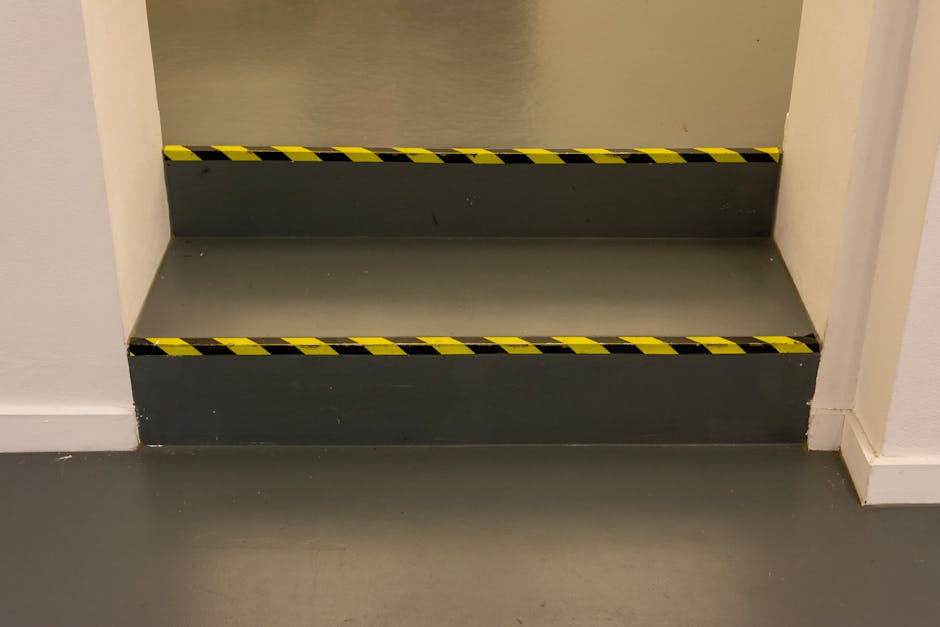
Access problems for Islington removals on staircases and lanes

If you are moving in Islington, you will know the layout can be a bit of a mixed bag. One minute you are dealing with a narrow staircase in a Victorian flat, the next you are trying to reverse a van into a tight lane with parked cars on both sides. Access problems for Islington removals on staircases and lanes are not unusual at all, but they do need proper planning. The good news? Most issues can be managed cleanly if you know what to look for before moving day.
This guide explains the practical side of awkward access, why it matters, how movers work around it, and what you can do to avoid delays, stress, and surprise costs. It is written for anyone planning a house move, flat move, office move, or even a single-item collection in the area. If you want a move that feels controlled rather than chaotic, you are in the right place.
Why access problems for Islington removals on staircases and lanes Matters
Access is one of those things people often underestimate until the sofa is halfway up the stairs and everyone has gone very quiet. In Islington, that is especially easy to do. The borough has a lot of period buildings, converted flats, mansion blocks, mews-style streets, and narrow roads where parking is limited and turning space is tight. That mix creates real moving challenges.
Staircase access affects how quickly items can be carried, whether bulky furniture will fit, and how many staff may be needed. Lane access affects whether a van can stop safely, how far items must be carried, and whether a move needs timed arrival or additional parking arrangements. If these points are ignored, a simple move can stretch out, and the day starts to feel longer than it should.
There is also a safety angle. Heavy lifting on stairs is not just tiring; it increases the chance of knocks, scrapes, and dropped items. Narrow lanes can create issues with passing traffic, cyclists, pedestrians, and other parked vehicles. So this is not just about convenience. It is about making the whole job safer and more predictable.
Practical takeaway: the earlier you map out access, the better the move will usually go. A few minutes of honest planning can save a lot of awkwardness later.
If you are comparing different move types, it can also help to look at broader services such as home moves, flat removals, or man with a van support, depending on how much furniture and access support you need.
How Access problems for Islington removals on staircases and lanes Works
In practice, handling awkward access begins long before the van arrives. A good mover will ask questions about stairs, entry points, road width, parking restrictions, and the distance from the van to the front door. Sometimes they will ask for photos or a quick video, which is honestly one of the simplest ways to avoid confusion. You can see a lot from a few pictures: low ceilings, sharp turns, railings, a front path with steps, or that tiny lane where two cars cannot pass without holding their breath.
The process usually follows a rough pattern:
- Access review: check the staircase, hallway, lift, lane, and loading point.
- Risk spotting: identify heavy items, awkward shapes, fragile furniture, or anything that needs dismantling.
- Vehicle planning: choose the right van size or loading approach so the vehicle can work with the available space.
- Carry strategy: decide whether items should be moved one at a time, split into sections, or wrapped and protected differently.
- Parking and timing: factor in delivery windows, waiting times, resident parking, and the likely distance from van to property.
On staircases, the key question is not simply "Will it fit?" It is also "Can it turn?" A wardrobe may technically fit through a doorway, but a tight landing or awkward bend can make the carry much harder. On lanes, the question is "Can the vehicle stop without blocking everything?" In Islington, that often matters more than people expect.
Some moves are straightforward once the route is clear. Others need a bit more improvisation. To be fair, that is normal. The job is not to make awkward access disappear; it is to manage it calmly and properly.
Key Benefits and Practical Advantages
Dealing with access issues properly gives you more than a smoother moving day. It changes the whole tone of the move. Instead of a rushed, reactive job, you get a plan that feels realistic.
- Fewer delays: a planned carry route means less time wasted second-guessing where to park or how to move bulky items.
- Less risk of damage: protective wrapping, careful handling, and the right team size reduce the chance of scuffed walls or furniture damage.
- Better budgeting: when the access conditions are clear, pricing is easier to understand and usually more accurate.
- Reduced physical strain: stairs and long carries are demanding, so good planning helps protect both people and belongings.
- More confidence on the day: when everyone knows the route, the van position, and the item sequence, the atmosphere is noticeably calmer.
There is another benefit that gets overlooked: better communication. Once the access details are confirmed, you and the mover can talk about the real moving job instead of guessing about the basics. That alone can remove a lot of friction. And let's face it, nobody wants the move-day conversation to start with "Oh, I thought the lane was wider."
For some households, it may also make sense to combine access planning with packing support from packing and boxes or packing and unpacking services, especially if the stairs are steep or the schedule is tight.
Who This Is For and When It Makes Sense
This kind of planning is useful for much more than large family house moves. In fact, it often matters most on smaller local jobs, because those are the ones where people assume everything will be easy.
You will probably benefit from careful access planning if you are:
- moving into or out of a top-floor flat with no lift
- dealing with a narrow stairwell, split-level layout, or sharp landing turns
- living on a street with limited stopping space or a tight lane
- moving a large wardrobe, sofa, bed frame, fridge, or piano
- running a business move where equipment must be removed quickly and safely
- arranging a student move with shared access and lots of other residents around
- collecting or delivering items where time on site is limited
It also makes sense if you simply do not know what the access looks like yet. Maybe you are moving into a new place and the agent has not mentioned much. Maybe the old property has a narrow rear lane and you have only just noticed it. That is not a problem. It just means access should be checked early instead of guessed.
For renters and first-time movers, especially, moving through a compact Islington staircase can feel more daunting than expected. A grounded explanation helps. You do not need perfection. You just need a clear picture.
Step-by-Step Guidance
If you want to reduce access problems, work through the move in a simple order. No drama, no overthinking. Just get the facts right.
- Measure the obvious things. Check the width of doors, hallways, staircases, and any sharp corners. Measure the tallest and widest items too, not just the heaviest ones.
- Look at the route outside. Is there a lane, a cul-de-sac, a permit zone, or a road where stopping is awkward? Can a van wait safely without blocking access?
- Check upper-floor realities. A third-floor flat with a narrow staircase is very different from a ground-floor maisonette. The number of floors matters.
- Tell the mover about the awkward items. Sofas with fixed arms, marble-topped tables, wardrobes, and pianos deserve special mention. Hidden complexity is where moves get messy.
- Share photos if you can. A quick shot of the staircase, entrance, lane, and parking area often tells the story better than a long email.
- Decide what can be dismantled. Beds, tables, and some shelving units can be taken apart. That may be the difference between a clean carry and a struggle.
- Protect the property. Use blankets, door covers, floor runners, or corner protection where needed. It is small stuff, but it matters.
- Confirm timing. If the lane is busy in the morning or the road gets blocked by school traffic, arrange a realistic arrival window.
A useful habit is to walk the route yourself while imagining the largest item moving through it. You will often spot a snag in under a minute. A hanging light, a turn too tight, or a narrow gate can suddenly become obvious.
For some jobs, a standard removal van is enough. For others, especially where the lane is narrow or the load is heavier, a more flexible option such as man and van support may be the better fit.
Expert Tips for Better Results
After enough moves, certain patterns show up again and again. These are the little things that save time and hassle.
- Move the biggest item first only if the route is clear. Big items can block stairwells if you leave them too long.
- Keep the hallway empty. Shoes, bags, bikes, recycling boxes, and random bits on the stairs just slow things down. It sounds obvious, but you would be surprised.
- Use consistent labelling. Mark boxes by room and priority so the team does not waste time hunting for what goes where.
- Plan for two-person carries on awkward pieces. Even if the item is not extremely heavy, stairs and bends can make it unstable.
- Choose sensible arrival times. Early morning can be calmer on some Islington lanes, while school-run periods and evening parking changes can be awkward.
- Keep fragile items separate. A box of glassware should not be treated like a box of books, however neat it looks.
One small but important tip: if you know a lane is tight, do not assume a large vehicle will be able to park right outside. The extra few metres of carry can affect the whole rhythm of the move. It is not a disaster, just something to plan for.
And yes, sometimes the best solution is boring. Better parking, more wrapping, fewer trips, less rushing. Boring is lovely on moving day.
Common Mistakes to Avoid
Most access problems become worse because of avoidable mistakes, not because the property is impossible.
- Not checking the staircase in person: a quick look can reveal tight bends, low ceilings, or fragile banisters.
- Assuming the van can stop directly outside: in narrow lanes, that is often not realistic.
- Forgetting about upper-floor carrying time: stairs take longer than people think, especially with bulky items.
- Leaving packing too late: rushed packing creates awkward shapes and unstable loads.
- Ignoring building rules: some blocks have moving restrictions, lift booking rules, or quiet-hour expectations.
- Underestimating weather: rain makes stairs, pavements, and carries more slippery and slower.
- Not mentioning the difficult bits early: if the mover does not know, they cannot plan properly.
A classic mistake is to focus on the van and ignore the route between the van and the front door. In reality, that route is often the job. The van is just the starting point.
If you are moving as part of a wider household or business change, coordinating with removals or house removals services may be more sensible than trying to force a one-size-fits-all approach.
Tools, Resources and Recommendations
You do not need specialist equipment for every move, but a few practical tools can make a real difference.
| Tool or resource | What it helps with | When it is most useful |
|---|---|---|
| Measuring tape | Checks doorways, stairs, and furniture dimensions | Before booking and before moving day |
| Phone camera | Captures staircase turns, lane width, and obstacles | When explaining access to the mover |
| Furniture blankets and covers | Reduces marks and scrapes | For large or polished items |
| Labels and markers | Keeps box handling organised | During packing and unloading |
| Floor protection | Helps keep stair edges and hallways cleaner | In shared or finished interiors |
| Parking or access notes | Helps time the arrival and unloading | In tight lanes and controlled streets |
For larger jobs, practical support might also include storage if access is not ideal on the same day. A property may not be ready, a key may be delayed, or a lane may simply be too awkward for a full unload. In those cases, storage can give you breathing room rather than forcing a rushed decision.
If you are comparing service levels, pages such as removal services and removal companies are useful starting points for understanding how a more structured move is typically handled.
Law, Compliance, Standards, or Best Practice
Awkward access does not usually turn a move into a legal problem on its own, but it can connect to several practical duties and expectations. In the UK, movers and customers are generally expected to act with reasonable care, especially where lifting, parking, and shared access are concerned.
Best practice usually includes:
- planning safe manual handling rather than forcing heavy items through unsuitable gaps
- protecting property surfaces where there is a risk of damage
- checking any building rules about lifts, loading, or moving hours
- avoiding unsafe parking or blocking emergency access
- sharing accurate information before the job starts
If a move involves business premises, there may also be site-specific health and safety expectations. Office buildings, shared entrances, and managed properties often require extra coordination. That is where a more considered approach really pays off. You can see the difference straight away: fewer awkward pauses in the stairwell, fewer scratched walls, fewer people trying to guess who should carry what.
For trust and safety information, it is sensible to review pages such as health and safety policy, insurance and safety, and terms and conditions so expectations are clear before moving day.
Options, Methods, or Comparison Table
Not every access issue needs the same fix. The right method depends on the building, the street, and the items involved.
| Approach | Best for | Advantages | Limitations |
|---|---|---|---|
| Standard carry by hand | Light moves with manageable stairs | Simple and cost-effective | Can be slow on steep or narrow staircases |
| Two-person carry with protection | Bulky furniture and shared corridors | Safer for awkward items | Needs more coordination |
| Furniture dismantling | Large beds, tables, wardrobes | Improves fitting through tight spaces | Extra time for setup and reassembly |
| Smaller vehicle and staged loading | Narrow lanes and hard-to-stop streets | Better access in tight roads | May require more trips |
| Temporary storage | Delayed access or split completions | Reduces pressure on the move day | Adds another step to the process |
For student flats and compact rented properties, a lighter-footprint approach often works best. For bigger family homes, the moving pattern is different. That is why pages like student removals and house removalists can be useful when you are deciding what type of help to book.
Case Study or Real-World Example
Here is a realistic example. A couple moved out of a second-floor flat in Islington with a narrow staircase, one sharp landing turn, and a lane at the back that was too tight for easy van access. Nothing dramatic, just one of those properties that looks normal until you try to move a wardrobe out of it.
Instead of treating the job like a standard collection, the mover asked for staircase photos, checked the largest furniture pieces, and planned a smaller loading gap on the road. The wardrobe was dismantled, the mattress was wrapped early, and the team kept the hallway clear from the start. Because the lane was narrow, the van stopped a little further away than first hoped, so the carry was longer - but it was still perfectly manageable because that had been allowed for in advance.
The move was not effortless. It never is. But it was controlled. No last-minute panic, no guessing, no "we'll just see how it goes" energy, which is often where trouble begins. By the end of the morning, the flat was empty, the walls were fine, and the clients were just relieved to be done. A pretty normal moving day, really. Which, frankly, is the goal.
Practical Checklist
Use this checklist before your move.
- Measure the widest furniture items and the tightest access points
- Check staircase width, turns, railings, and landings
- Look at the street or lane for stopping space
- Ask about parking restrictions or resident permits
- Tell the mover about stairs, lifts, and shared entrances
- Share photos of awkward access points if possible
- Confirm whether any items need dismantling
- Label fragile and heavy boxes clearly
- Protect floors, walls, and furniture surfaces
- Plan for extra carry time if the van cannot park outside
- Keep walkways, hallways, and staircases clear
- Have a backup plan for storage or staged delivery if needed
Quick summary: the smoother the access briefing, the smoother the move. Simple as that.
If you are at the stage of comparing prices and options, it can be worth looking at pricing and quotes early so any access complexity is factored in before the day itself.
Get a free quote today and see how much you can save.
Conclusion
Access problems on staircases and lanes are part of moving life in Islington, not a sign that something is going wrong. The area has character, and with character comes tricky corners, narrow roads, and older building layouts. That is just the reality.
The reassuring part is that most access issues can be managed well with honest assessment, clear communication, and a move plan that fits the property rather than fighting it. Measure early. Share photos. Be realistic about stairs and lane space. Those small steps make a bigger difference than people expect.
If you handle access properly, the move stops feeling like a gamble and starts feeling like a plan. And that is usually when the stress begins to lift.
Frequently Asked Questions
What counts as an access problem in an Islington removal?
Anything that makes moving items harder, slower, or less safe can count as an access problem. That includes narrow staircases, tight turns, top-floor flats, lanes with little stopping space, and restricted parking.
How do I know if my staircase is too narrow for furniture?
Measure the widest part of the furniture and compare it with the staircase, landing, and doorway measurements. If there is a sharp bend or low ceiling, allow extra space because the item also needs to turn, not just fit through.
Should I send photos of the staircase and lane before the move?
Yes, if you can. Photos are one of the most useful ways to explain awkward access quickly. A few clear shots can reveal issues that measurements alone do not show.
Can a removal van stop in a narrow lane in Islington?
Sometimes, but not always. It depends on lane width, traffic, parked cars, and local restrictions. It is better to plan for a possible short carry than to assume the van will sit directly outside the door.
What happens if the movers cannot park right outside?
The team usually carries items the extra distance from the van to the property. That may take longer and sometimes needs more planning, but it is often manageable if everyone expects it in advance.
Are staircase moves more expensive?
They can be, especially if the stairs are steep, the item is bulky, or the move takes longer than a standard ground-floor job. The exact cost depends on the workload, distance, and access conditions.
Do I need to dismantle furniture for a tight staircase?
Not always, but it often helps. Beds, wardrobes, and some tables can be easier to move if broken down first. If in doubt, ask the mover before moving day rather than trying to force a large item through a turn.
How can I make moving day safer in a narrow stairwell?
Keep the route clear, protect surfaces, carry items with enough people, and avoid rushing. Good lighting and careful handling also help, especially on older staircases that may feel a bit cramped.
What if I live on a lane with no real parking space?
Let the mover know early. They may suggest a smaller vehicle, a timed arrival, or a staged unloading plan. In some cases, temporary storage may be the simplest solution.
Is this different for flat removals and house removals?
Yes. Flat removals usually involve more staircase and shared-access issues, while house removals may be easier inside but still awkward outside if the lane or road is tight. Both need a proper access check.
Can access problems affect same-day removals?
Absolutely. Same-day jobs leave less room for guesswork, so clear access details matter even more. If the stairs or lane are awkward, the team needs that information immediately.
What should I ask a mover before booking?
Ask how they handle stairs, long carries, narrow roads, and bulky furniture. It also helps to ask what information they need from you so they can plan the job properly.
When the details are handled well, even a tricky Islington staircase or a tight lane can feel surprisingly manageable. That is the quiet win in all of this, and it is worth aiming for.