Islington Council parking permits for removals explained
Moving in Islington can feel simple on paper and a bit more complicated in real life. Narrow streets, shared bays, permit zones, and a van that needs somewhere legal to stop for more than a few minutes - that is where Islington Council parking permits for removals explained becomes genuinely useful. If you are planning a home move, flat move, office relocation, or even a quick furniture drop-off, understanding the parking side of the job can save time, stress, and an awkward phone call half-way through loading the sofa.
This guide breaks down what removal parking permits are, why they matter, how they usually work, and what to watch out for before move day. It also covers practical steps, common mistakes, and a few expert habits that make the whole thing feel less like a bureaucratic puzzle and more like a normal, manageable task. Truth be told, that is exactly what most people need when moving day starts getting noisy.
Why Islington Council parking permits for removals explained matters
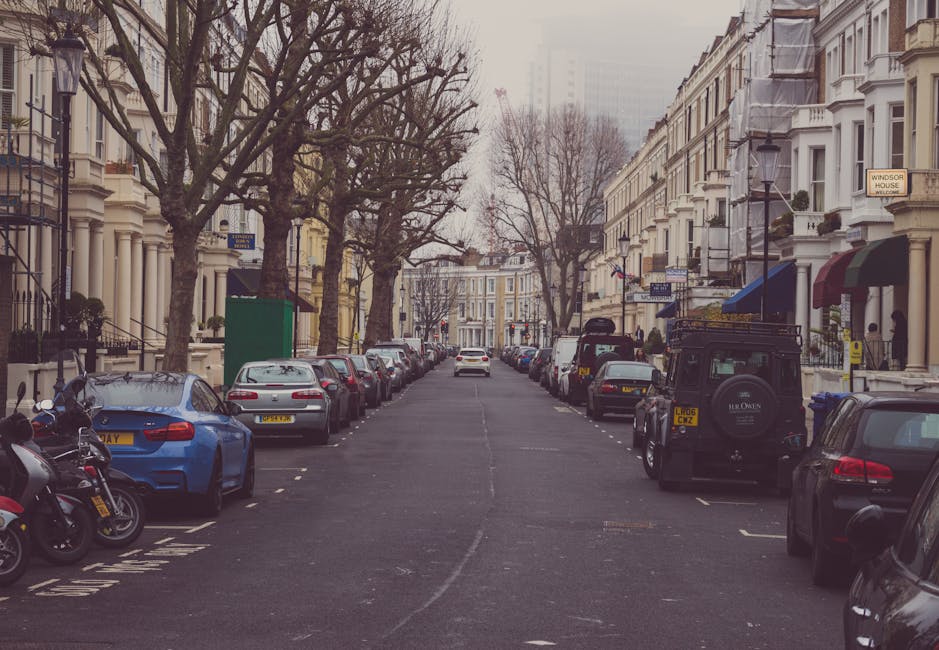
Parking is often the hidden part of moving that causes the most friction. The boxes are packed, the keys are ready, and then the van cannot stop close enough to the property. In Islington, that can mean extra walking, longer loading times, or a moving team having to shuffle heavy items further than planned. Not ideal when you have a narrow stairwell, a bit of rain, and a mattress that seems to have developed its own opinion on the matter.
Removal parking arrangements matter because they affect access, timing, and cost. If a van can park legally near the entrance, the move is usually smoother. If it cannot, you may face delays or need a different setup altogether. That is why many residents look for Islington Council parking permits for removals explained before they book the van, not after.
It also matters for neighbours and building management. A careful parking plan reduces complaints, avoids blocking driveways, and helps keep everyone onside. In a busy London street, that goodwill is worth a lot. You know the kind of morning: someone is trying to get out, someone else is holding a lift open, and one person is pretending they are not bothered by the traffic. A good parking plan cuts through that mess.
If you are arranging a move through professional removals in Islington, the parking side is one of the first things worth checking. For smaller jobs, a man and van service may be enough, but even then a legal stopping place can make all the difference.
How Islington Council parking permits for removals explained works
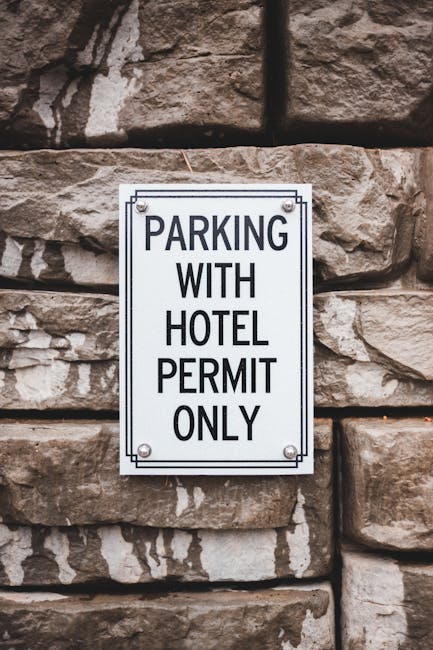
At a practical level, a removals parking permit is permission to stop in a controlled space for loading or unloading during your move. The exact rules depend on the street, the type of bay, the time of day, and whether any restrictions apply in that location. In some cases, you might need a temporary dispensation, in others a visitor-style arrangement, and sometimes a specific loading allowance may already exist. Councils can be quite particular here, and fair enough too - the streets are busy and the rules are there for a reason.
The key thing to understand is that not every parking space is treated the same. A bay outside your property might look perfect, but it could be reserved, permit-only, pay-by-phone, or restricted during certain hours. So the process usually starts with checking what kind of parking is available, then matching the move to the right permission.
In a typical move, the sequence looks something like this:
- Check the parking restrictions for the street and building entrance.
- Decide whether the move needs short-term loading access or a longer parking arrangement.
- Confirm the vehicle size, arrival time, and how long the van is likely to stay.
- Arrange the permit or parking permission in advance if needed.
- Keep the permit details handy on the day of the move.
There is a small but important distinction here. A parking permit usually helps with where the van can stop. It does not magically solve everything else. You still need to think about lift access, building rules, loading doors, and whether your sofa will fit through the hallway without a minor drama.
That is why moving companies often combine parking planning with wider move preparation. If you are also arranging packing support, a service like packing and boxes or packing and unpacking services can help keep the day efficient, especially if parking access is limited and every minute counts.
Key benefits and practical advantages
A proper parking plan is not just about avoiding a ticket. It changes the whole shape of the move.
- Less walking distance: heavy items move from door to van faster, with less lifting across the street.
- Quicker loading: the team spends more time moving your belongings and less time hunting for a legal space.
- Lower stress: nobody likes watching the clock while the van circles the block.
- Better protection for furniture: shorter carries mean fewer knocks, scuffs, and doorframe scrapes.
- Cleaner coordination: family members, neighbours, cleaners, and movers know where everything is going.
There is also a financial upside. A move that runs late because of parking problems can mean extra labour time or a second trip. In some cases that cost is avoidable. Not always, but often enough to make careful planning worthwhile.
For bigger jobs, the benefits multiply. A house removals booking, for example, may involve several rooms of furniture, white goods, and boxes. A short, legal stopping point saves energy and keeps the day calmer. The same is true for office removals, where time pressure is usually tighter and there is less room for improvisation.
Expert summary: the best parking arrangement is the one that keeps the van close, legal, and predictable. Everything else in the move becomes easier from there.
Who this is for and when it makes sense
This topic matters to almost anyone moving in or out of Islington, but some people need it more than others. If your property sits on a busy road, in a controlled parking zone, or in a narrow residential street, you are already in the high-priority group. So are people moving from flats, maisonettes, or converted houses where access is tight.
It is especially relevant if you are:
- moving from a flat with limited outside parking
- arranging a same-day or short-notice move
- using a van that needs to stay near the entrance for loading
- moving large or awkward items such as wardrobes, sofas, or a piano
- planning an office relocation with deliveries and access timings
- balancing move day with childcare, work calls, or building management rules
For students, it can be a bit different. Student moves are often smaller, but they can still go sideways if parking is not thought through. One suitcase, one desk chair, and a couple of boxes might seem easy, but on a busy Islington street even a light move benefits from proper stopping space. A student removals service is often the neatest option when time is limited.
And if you are only moving a few items, say a table, a bed frame, or a couple of chairs, a furniture removals booking can be a more practical fit than a full-scale move. Parking still matters, just maybe with slightly less panic.
Step-by-step guidance
If you want the cleanest route through the process, use this straightforward approach.
- Check your address conditions. Look at the street outside your property and think about whether a van could stop there safely and legally. If there are yellow lines, resident bays, shared-use bays, or timed restrictions, do not assume anything.
- Work out how long loading will take. Be honest here. A few boxes might take ten minutes; a full flat can take much longer. If the estimate is too optimistic, the parking plan will probably be too tight as well.
- Match the vehicle to the space. A smaller vehicle may fit where a larger truck will not. This is one reason people choose a removal van or a man with a van service for tight streets.
- Ask about the permit or loading arrangement early. The earlier this is checked, the fewer surprises later. Last-minute parking admin tends to be the kind that arrives just as you are carrying the kettle out the door.
- Share the details with everyone involved. Movers, family members, building concierges, and neighbours if needed. A quick message can prevent a lot of confusion on the day.
- Keep proof and instructions ready. If a permit reference, bay location, or time window has been arranged, keep it somewhere obvious. A screenshot, note, or printed copy can save time.
For bigger or more complex moves, the parking plan should sit alongside the wider logistics. That includes storage if your keys are delayed, packing if the inventory is not ready, and vehicle choice if you have bulky items. A storage option can be useful if completion dates or access times are not lining up neatly - and let's face it, sometimes they do not.
If your move is commercial, the same basic logic applies but the stakes can be higher because staff schedules and opening times are involved. A coordinated commercial move often benefits from precise parking planning and a fixed loading window.
Expert tips for better results
After enough moving days, a few patterns become obvious.
First, check the street in person if you can. Maps are useful, but they do not show everything. A road may look roomy on a screen and then turn out to be awkward in real life, with bins, delivery vans, and lamp posts in all the wrong places. A five-minute walk can reveal more than half an hour of guessing.
Second, think in loading zones, not just parking spaces. The best stopping point is often the one that gives the mover the shortest carry and the safest path to the property. That matters even more if there are stairs, tight corners, or a shared entrance.
Third, plan for the unexpected. A blocked bay, a late lift, or a neighbour's car parked where it should not be - these things happen. If you build a bit of slack into the schedule, the move feels far less brittle.
Fourth, use the right type of service for the job. A lightweight one-bedroom move does not need the same setup as a larger household relocation. In many cases, a flexible man with van option is enough. For heavier or more complex jobs, something like removal truck hire may be more suitable.
Fifth, keep communication simple. One message confirming the access point, one message confirming arrival time, and one message confirming the parking arrangement is often enough. People remember the simple stuff. The long message nobody reads? Not so much.
Common mistakes to avoid
Parking issues are usually not dramatic on their own. They become expensive or stressful because of a small oversight that snowballs. Here are the big ones.
- Assuming the nearest space is usable. It might not be legal for loading, or it may be time-restricted.
- Leaving it until move day. This is the classic. It feels manageable until the van arrives and nobody is quite sure where it can stop.
- Underestimating the volume of items. More items mean more time, and more time means the parking arrangement needs to hold up.
- Ignoring building rules. Some flats and managed blocks have their own access instructions. Council parking is only part of the story.
- Choosing a vehicle that is too large for the street. A big van is not always better. Sometimes it is just more difficult.
- Forgetting to brief the movers. Even experienced crews need to know the exact stopping point and any access quirks.
One surprisingly common mistake is not factoring in the time it takes to move from the van to the property. A street corner may only be 30 metres away, but if you are carrying a mattress, that 30 metres suddenly feels like a hill in slow motion.
If you want to avoid that kind of day, the safer approach is to plan early and keep the move simple. A service such as home moves can help tie together vehicle choice, loading time, and practical access.
Tools, resources and recommendations
You do not need a pile of specialist tools to organise removal parking well. What you need is a reliable process and a few basic items.
- Phone notes: keep the access details, permit reference, and loading time in one place.
- Photos of the street: useful if you want to show the moving team the entrance or parking layout.
- Printed instructions: handy if you are coordinating family, landlords, or building staff.
- Packaging supplies: good labelling speeds up loading and unloading, which in turn reduces parking pressure.
- Flexible storage: useful if completion times shift or access is split across more than one day.
For people who like to keep everything tidy, it can help to organise the move in layers: packing first, access next, then van size, then permit or stopping arrangement. That order keeps the practical issues from blurring together.
You may also want to choose a provider that is transparent about planning and safety. Pages such as health and safety policy, insurance and safety, and terms and conditions are useful for understanding how a company works before you book. It is a small step, but a sensible one.
Law, compliance, standards, or best practice
Parking permits and loading permissions sit within a wider set of transport and local parking rules. The exact requirements can vary by street, time, and vehicle type, so careful checking matters. For a move in Islington, it is safest to treat the council parking system as something to confirm rather than assume.
From a best-practice point of view, the main principles are straightforward:
- do not block access routes
- do not assume a loading space is automatically available
- make sure any parking arrangement suits the vehicle size
- allow enough time for loading and unloading
- keep proof or reference details available on the day
If you are moving in a managed building, there may also be separate instructions from the landlord, freeholder, or managing agent. That can include lift bookings, access codes, service lift use, or restricted delivery windows. Council parking permission does not replace those controls. It sits alongside them.
To be fair, this is where a lot of people get tripped up. They focus on the permit and forget the building. Or they focus on the building and forget the street. The smoothest moves respect both.
Options, methods, or comparison table
Different moving situations call for different parking approaches. Here is a simple comparison to help you choose.
| Option | Best for | Pros | Watch-outs |
|---|---|---|---|
| Short loading stop | Small moves with quick loading | Simple, fast, often enough for light jobs | Can fail if loading takes longer than expected |
| Temporary parking permission or permit | Moves where the van needs to stay close | Better control, less scrambling on the day | Needs checking in advance and must match the street rules |
| Smaller van choice | Narrow roads or awkward access | More likely to fit close to the property | May require more trips if the load is large |
| Storage-first approach | Moves with timing gaps or staged delivery | Reduces pressure when access is uncertain | Requires extra coordination and potentially two transport stages |
If the property is a flat or upper-floor home, the parking choice should also reflect how long each carry will take. A compact setup can work very well for flat removals, especially in streets where every metre matters.
Case study or real-world example
Imagine a typical Saturday move in Islington. A two-bedroom flat on a busy residential road, stairs from the street-level entrance, and a collection of furniture that looked manageable until the final box was packed. The client initially assumed the van could stop right outside. In reality, the nearest space was a restricted bay and the next legal option was further down the road.
Instead of leaving the team to improvise, the move was adjusted in advance. The vehicle size was chosen carefully, the arrival time was staggered a little earlier, and the loading route was walked through the evening before. Nothing fancy. Just calm, practical planning.
The result? Less waiting, fewer carried distances, and no last-minute panic about where the van could legally stop. The whole job still had the usual moving-day noise - squeaky wheels, a bit of tape, someone looking for the kettle - but the parking side stayed under control.
That is usually the difference between a move that feels chaotic and one that feels merely busy. And busy is fine. Busy is normal.
Practical checklist
Use this checklist before move day. It is simple, but that is the point.
- Confirm whether the street has parking restrictions or loading controls.
- Check whether the property has separate access rules.
- Choose a van size that suits the street and the load.
- Estimate how long loading and unloading will realistically take.
- Keep parking or permit details handy in your phone and on paper if needed.
- Tell everyone involved where the vehicle will stop.
- Pack and label boxes so the move stays efficient.
- Leave a little buffer in the schedule for traffic, stairs, and surprises.
- Arrange storage if timings do not line up cleanly.
- Double-check the evening before. Then check once more in the morning, because moving days have a funny way of changing shape.
If you want the move to feel more organised from the outset, a company page like pricing and quotes can help you understand the commercial side of planning before you commit.
Get a free quote today and see how much you can save.
Conclusion
Once you strip away the jargon, Islington Council parking permits for removals explained comes down to one practical idea: make it easy for the vehicle to stop legally and close enough to your property for the move to run well. That single decision can reduce stress, save time, and prevent the kind of small problems that turn into big ones by mid-morning.
The best approach is usually the simplest one. Check the street, confirm the access, match the van to the job, and keep the details clear. Do that, and the rest of the day has a much better chance of going to plan - not perfect, perhaps, but solidly manageable. Which is exactly what most people want when they are carrying boxes, looking for the keys, and trying not to lose the screw bag.
If you are preparing a move and want support with the practical side, from parking to packing to transport, it is worth choosing a team that understands how local access really works. That kind of quiet competence makes all the difference, especially in London.
Frequently Asked Questions
Do I always need a parking permit for removals in Islington?
Not always. Some streets may allow short loading, while others have restrictions that make a permit or permission necessary. The right answer depends on the exact location, the time of day, and how long the van needs to stay.
Can I just use a normal resident bay for my moving van?
Only if the bay rules allow it and you have the appropriate permission. A bay that looks convenient may still be restricted for your vehicle or purpose. Always check before assuming it is fine.
What happens if the van cannot park near my property?
The team may have to carry items further, which can slow the move and make it more tiring. In some cases, the schedule may need adjusting. This is why access planning is so important.
How far in advance should I sort out parking for a removal?
As early as possible. The moment your moving date becomes fixed is the best time to think about parking. Leave it until the day before and you are making life harder than it needs to be.
Is a smaller van better for Islington streets?
Often, yes. Narrow streets and tight bays can favour smaller vehicles, especially for flats or smaller moves. But the vehicle still needs to be large enough for the job, so it is a balancing act.
Do office moves need the same parking planning as home moves?
Yes, and sometimes even more so. Office moves can involve timed access, building management rules, and staff coordination. Parking delays can have a bigger knock-on effect during business moves.
What if my building has its own loading rules as well?
Then you need to follow both sets of rules. Council parking arrangements and building access requirements are separate issues, and both matter on moving day.
Can a removals company handle the parking side for me?
Many can help guide the process, especially if they know the area well. It is still wise for you to understand the basic arrangement so nothing gets missed.
Is parking more important for flat removals than house removals?
Usually yes, because flats often have tighter access, shared entrances, and less space to manoeuvre. That said, house moves on busy Islington roads can be just as tricky.
What should I do if I am moving at short notice?
Focus on the essentials first: confirm the access, choose the right vehicle, and ask what can be arranged quickly. A fast, honest assessment is better than trying to force a perfect plan at the last minute.
How do I make move day less stressful overall?
Pack early, label clearly, confirm access details, and keep the parking plan simple. Small steps help a lot. And honestly, a calm start in the morning makes the rest of the day feel much lighter.
Where can I get help with a moving job in Islington?
If you need support with transport, loading, or planning, a local service such as removal services can be a practical place to start. For larger or more specialised jobs, you may also want to look at house removalists or office relocation services depending on the move type.
If you are still weighing up the best approach, a quick conversation and a clear quote can save a lot of guesswork. Moving is rarely glamorous, but it does not have to be messy. One good plan, one legal parking spot, and a bit of patience - that usually gets you most of the way there.